Advantages of Custom Nylon Gears — A Manufacturer's Perspective
Advantages of Custom Nylon Gears

nylon gear Technical Overview
Advantages of Custom Nylon Gears
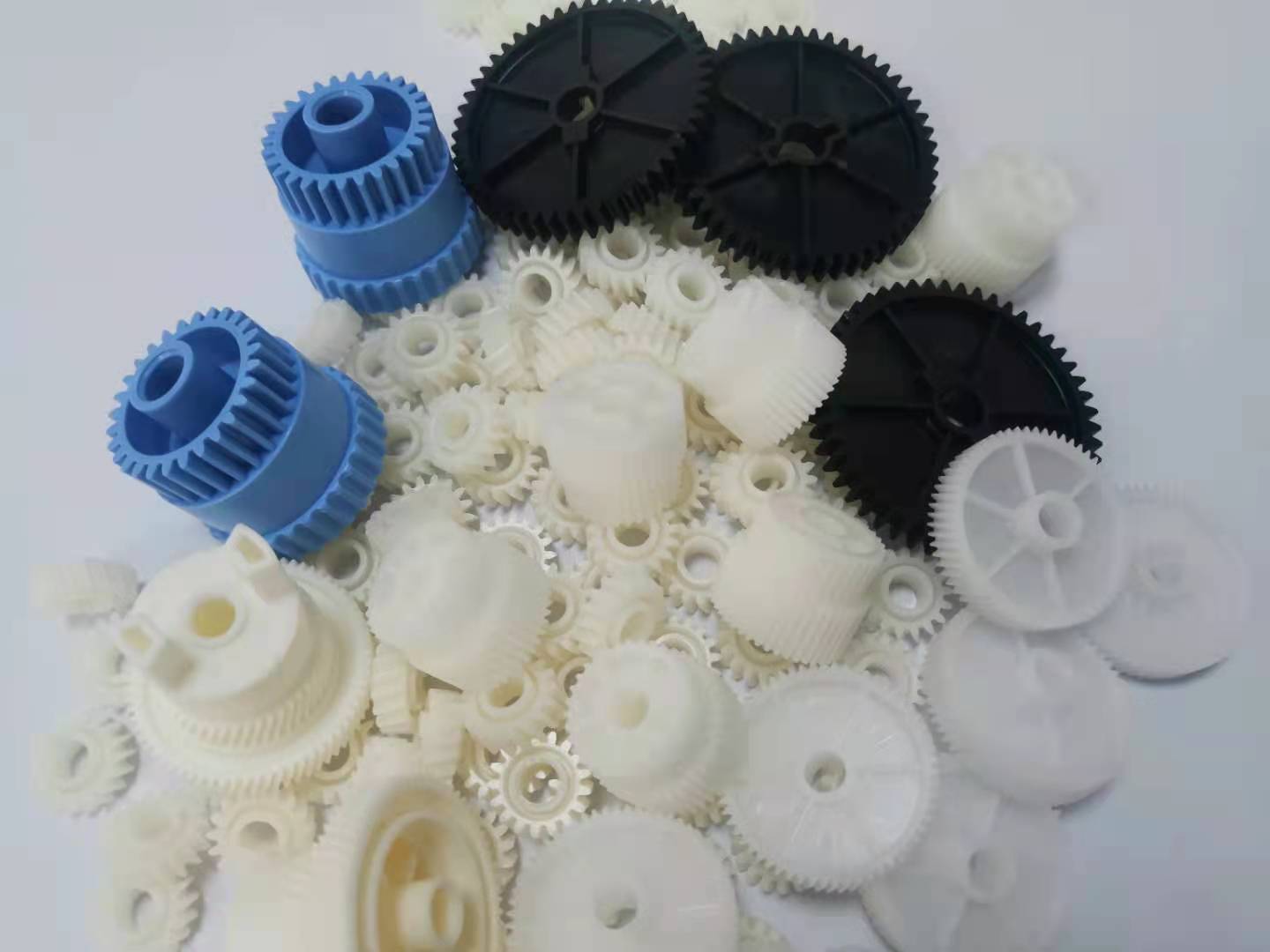
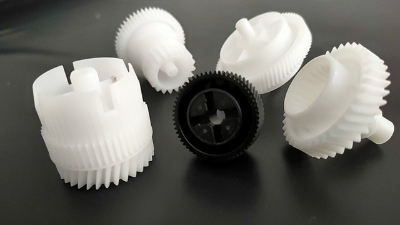
Nylon (polyamide) is one of the most versatile engineering plastics for gear applications. UNITECH-GEAR shares insights from decades of manufacturing experience:
Why Choose Nylon for Gears?
High Strength-to-Weight Ratio: Nylon gears weigh 85% less than steel equivalents while providing sufficient strength for most moderate-load applications. This is critical for portable and handheld devices.
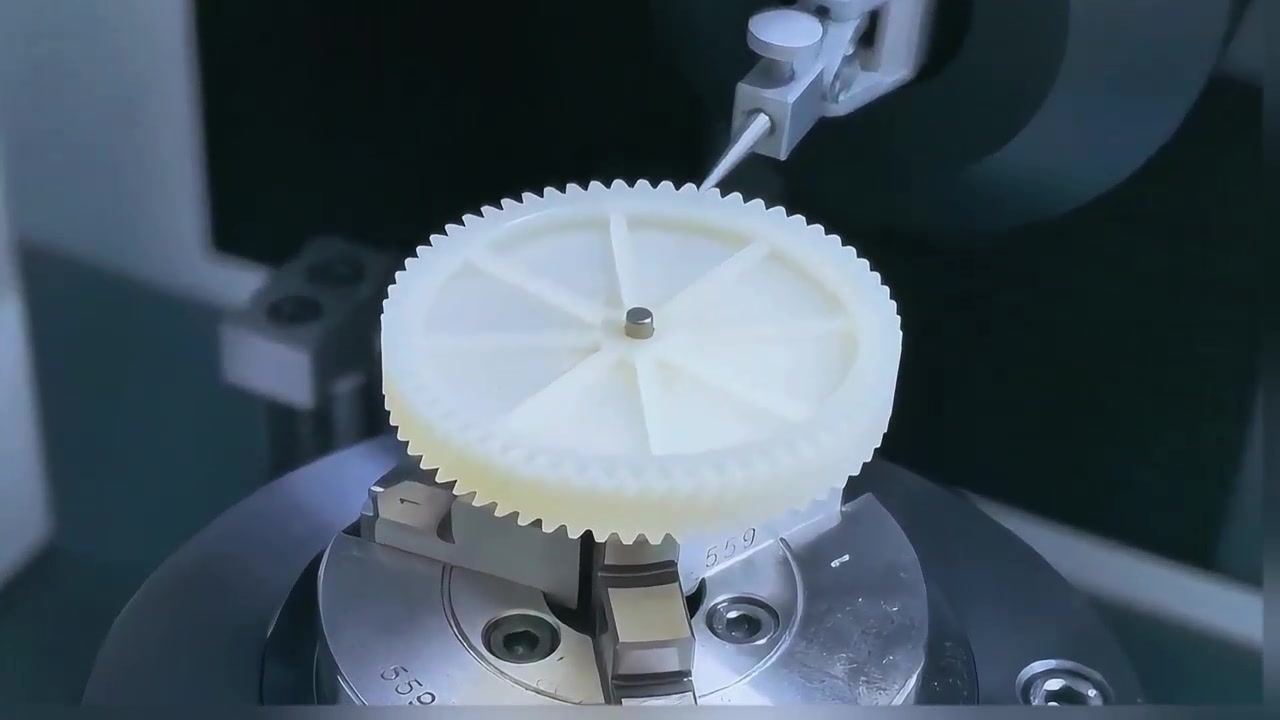
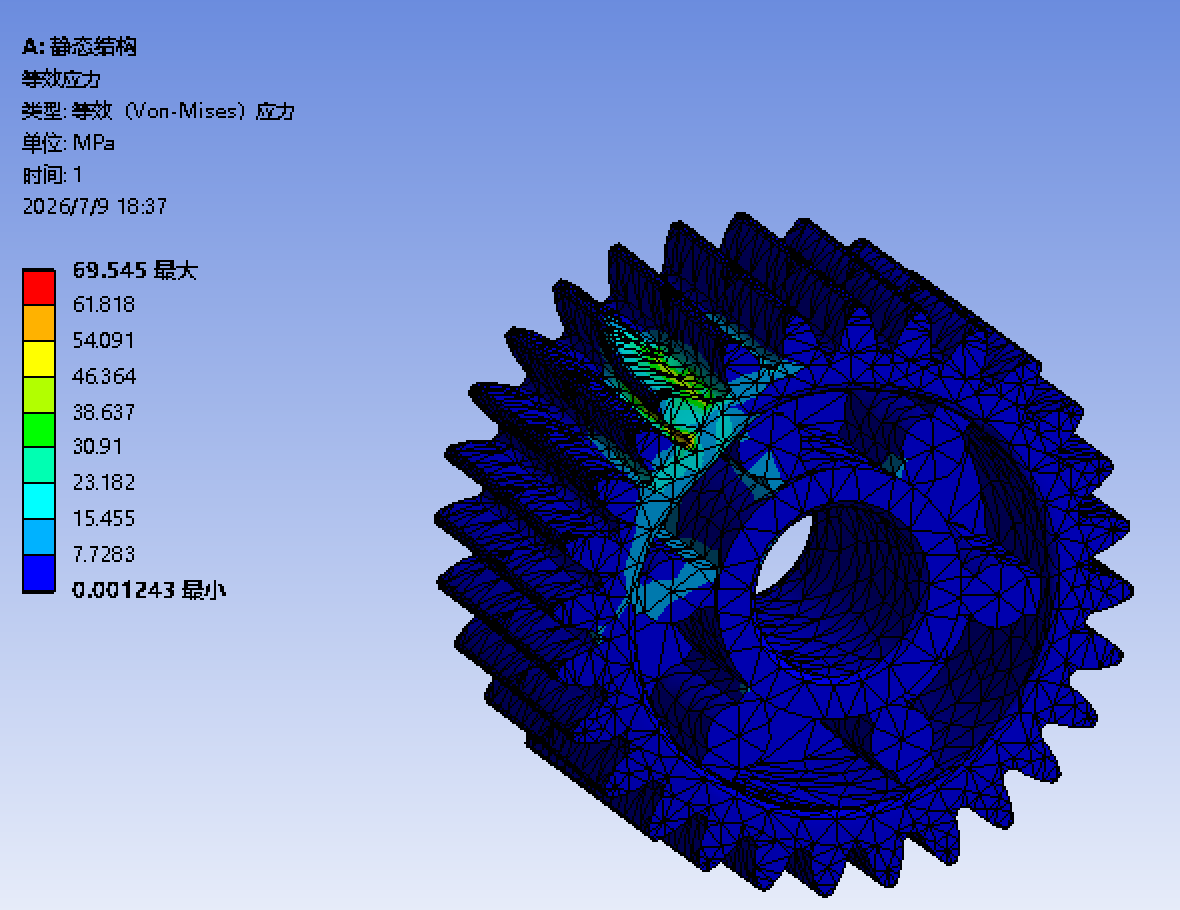
Excellent Wear Resistance: Nylon's natural lubricity and toughness make it highly resistant to abrasive wear. Glass-fiber reinforced grades (PA66+GF30) can handle surface pressures exceeding 50 MPa in properly designed gear pairs.
Fatigue Resistance: Unlike metals which have a defined fatigue limit, nylon exhibits excellent resistance to cyclic loading. Properly designed nylon gears can survive millions of load cycles without failure.
Noise Dampening: Nylon's inherent viscoelastic properties absorb vibration, reducing gear mesh noise by 3-6 dB compared to metal gears under identical conditions.
Customization Options
Fiber Reinforcement: Adding 15-50% glass fiber increases tensile strength by 80-200% and significantly improves dimensional stability. Carbon fiber reinforcement provides additional strength with improved thermal conductivity. Internal Lubrication: PTFE or MoS2 additives reduce friction coefficient to 0.1-0.15 dry, enabling maintenance-free operation. Impact Modification: Toughened grades improve resistance to shock loads and rough handling. UV Stabilization: Essential for outdoor applications — unstabilized nylon embrittles rapidly under UV exposure.
Design Considerations
Account for moisture absorption (up to 2.5% dimensional change at saturation for PA66). Design gears with slightly wider backlash to accommodate expansion in humid environments. Use GF-reinforced grades to reduce moisture sensitivity. Apply proper lubrication — nylon responds well to synthetic hydrocarbon greases but avoid mineral oils that can cause stress cracking.