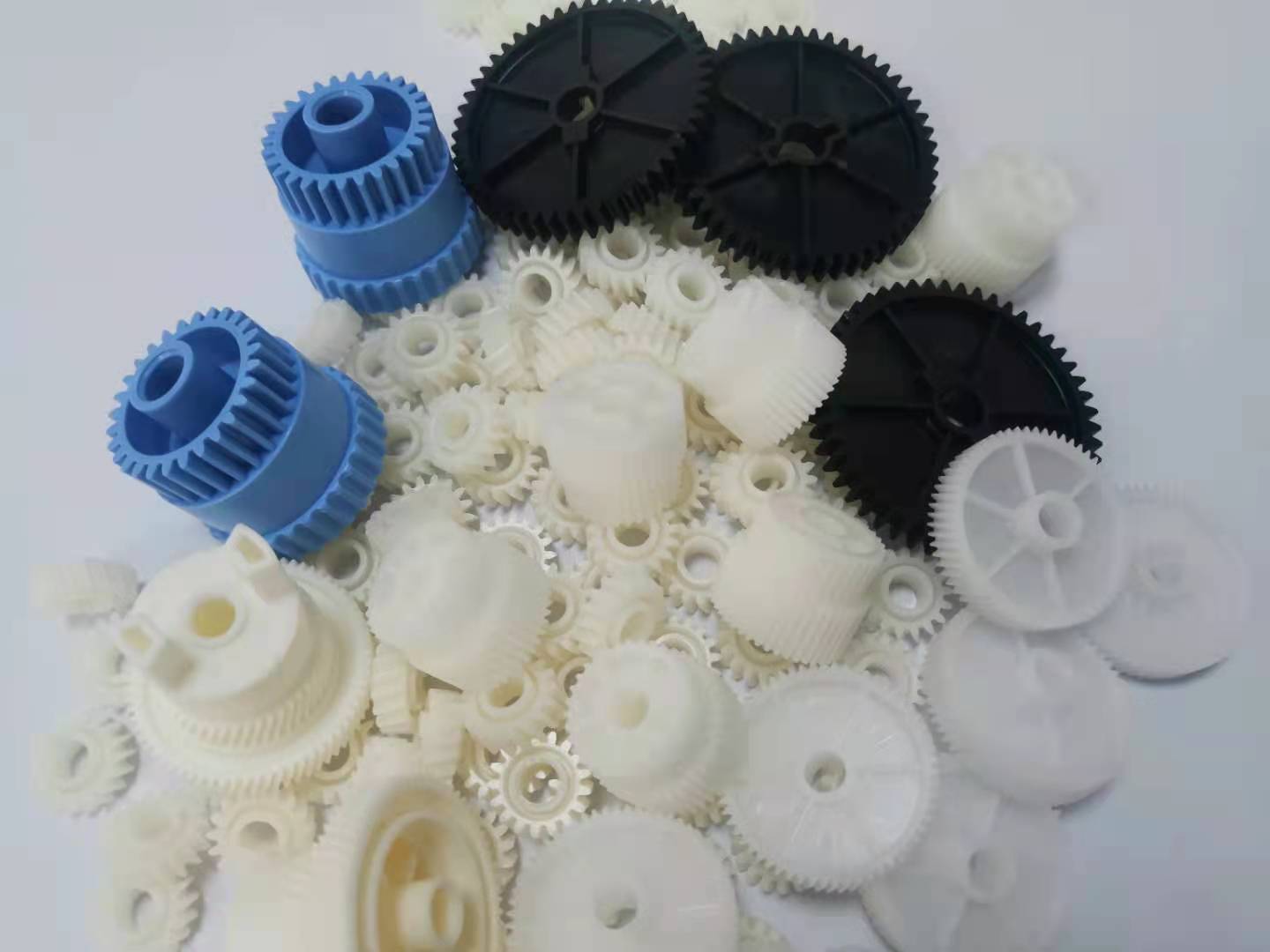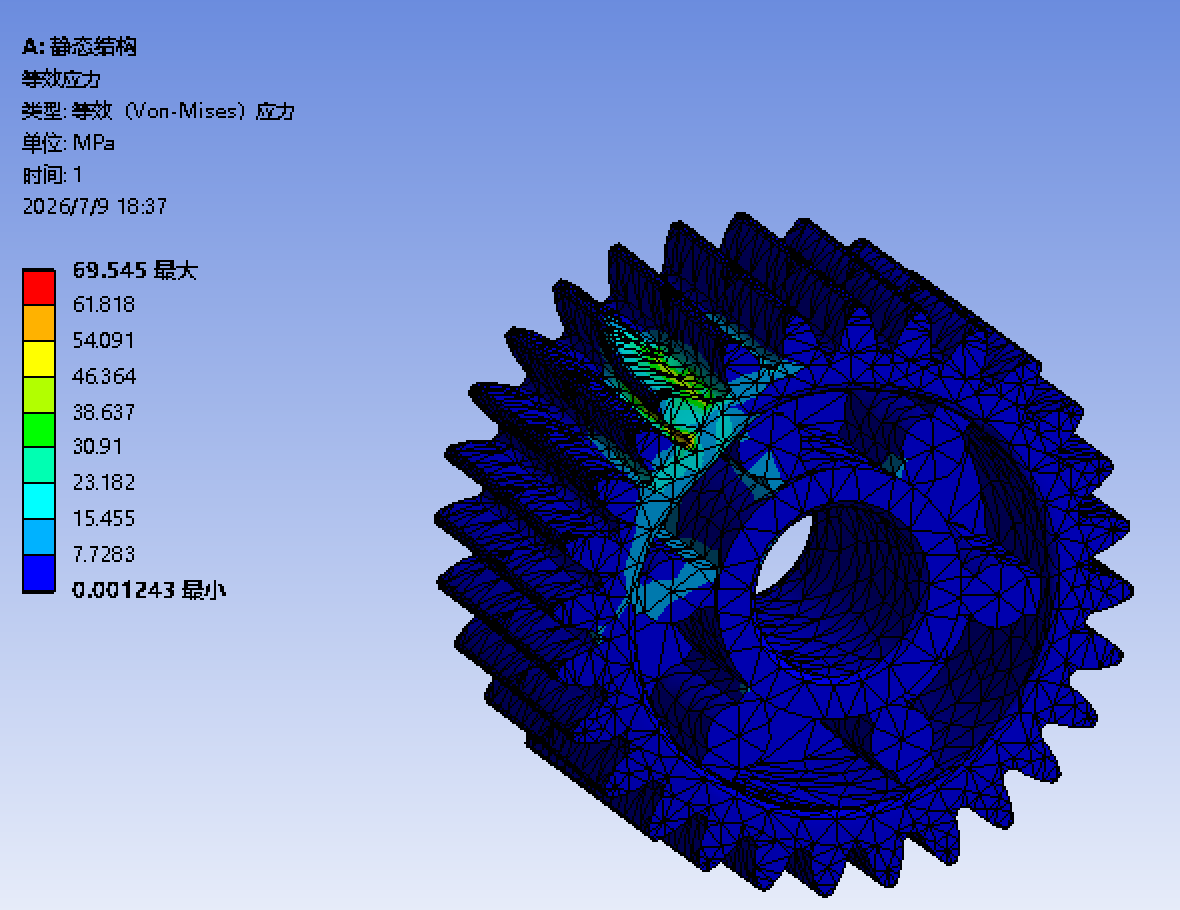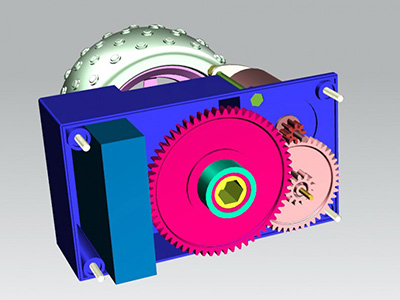
UT gear provide stress analysis for every new project
<p>From Design to Mass Production: An Analysis of End-to-End Plastic Gear Development Services<br>Developing plastic gears is a multidisciplinary, multi-stage systematic process. Transitioning from initial requirement.

injection mold Technical Overview
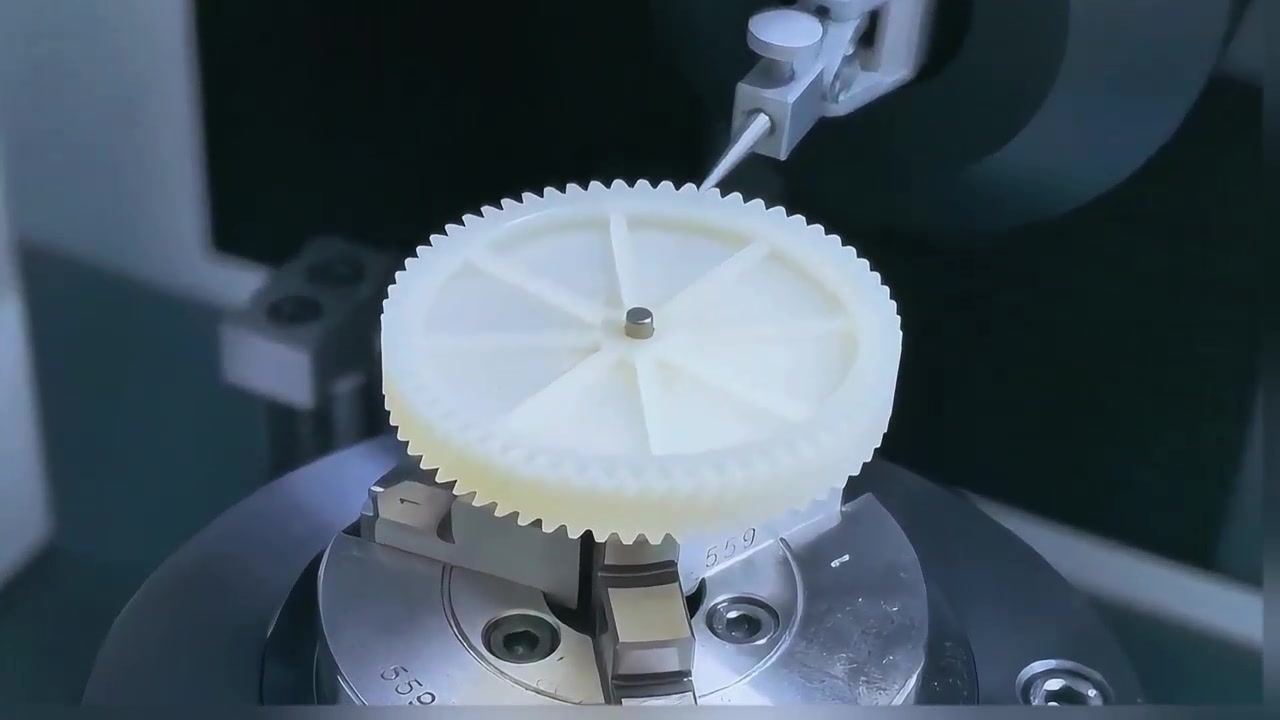
<p>From Design to Mass Production: An Analysis of End-to-End Plastic Gear Development Services<br>Developing plastic gears is a multidisciplinary, multi-stage systematic process. Transitioning from initial requirement definition to stable mass production requires close collaboration across specialized phases such as design, mold making, injection molding, and inspection. UT GEAR’s end-to-end development service model effectively shortens development cycles, reduces communication costs, and ensures product quality.<br>Requirement Definition and Solution Design Phase<br>End-to-end development begins with a deep understanding of customer needs. A professional team communicates extensively with the client to clarify key information, such as operating conditions, performance specifications, production scale, and cost targets. Based on this analysis, the design team develops the transmission solution, covering gear type selection, gear ratio allocation, parameter calculation, and material selection. This phase yields comprehensive gear parameter tables, 2D engineering drawings, and 3D models, alongside strength verification and transmission simulation analysis to ensure performance requirements are met. For complex transmission systems, kinematic and dynamic simulations are conducted to predict performance.<br>Mold Development and Process Validation Phase<br>Once the design is confirmed, the project moves to the mold development phase. The mold design team creates the mold structure, gating system, and cooling scheme based on gear parameters and injection molding requirements. High-precision equipment—such as 5-axis CNC machines, slow-feeding wire-cut EDM, and precision EDM—is used to ensure cavity accuracy. The mold trial phase involves short-shot analysis, dimensional inspection, and process parameter optimization, achieving stability through iterative trials (e.g., T0, T1). Simultaneously, the injection molding team conducts process validation (DOE) to determine the optimal process parameter window and establish standard operating procedures.<br>Mass Production Quality Assurance and Continuous Optimization<br>Upon entering mass production, a robust quality control system is established to ensure product consistency. Incoming material inspection guarantees raw material quality; in-process inspection monitors injection molding stability; and finished product inspection verifies gear performance metrics. Statistical Process Control (SPC) is employed to analyze trends in critical dimensions and provide early warnings regarding process deviations. Professional end-to-end services also include post-production technical support and continuous optimization, refining product designs and process parameters based on customer feedback and mass production data. UT GEAR’s experience serving Fortune 500 clients—such as Kyocera, Ricoh, and Canon—as well as leading domestic high-end maternal and infant product companies, demonstrates that its full-chain development service model effectively integrates resources across design, mold making, injection molding, and testing. This approach provides clients with one-stop solutions, significantly shortening the cycle from concept to mass production while reducing development risks and overall costs.</p>