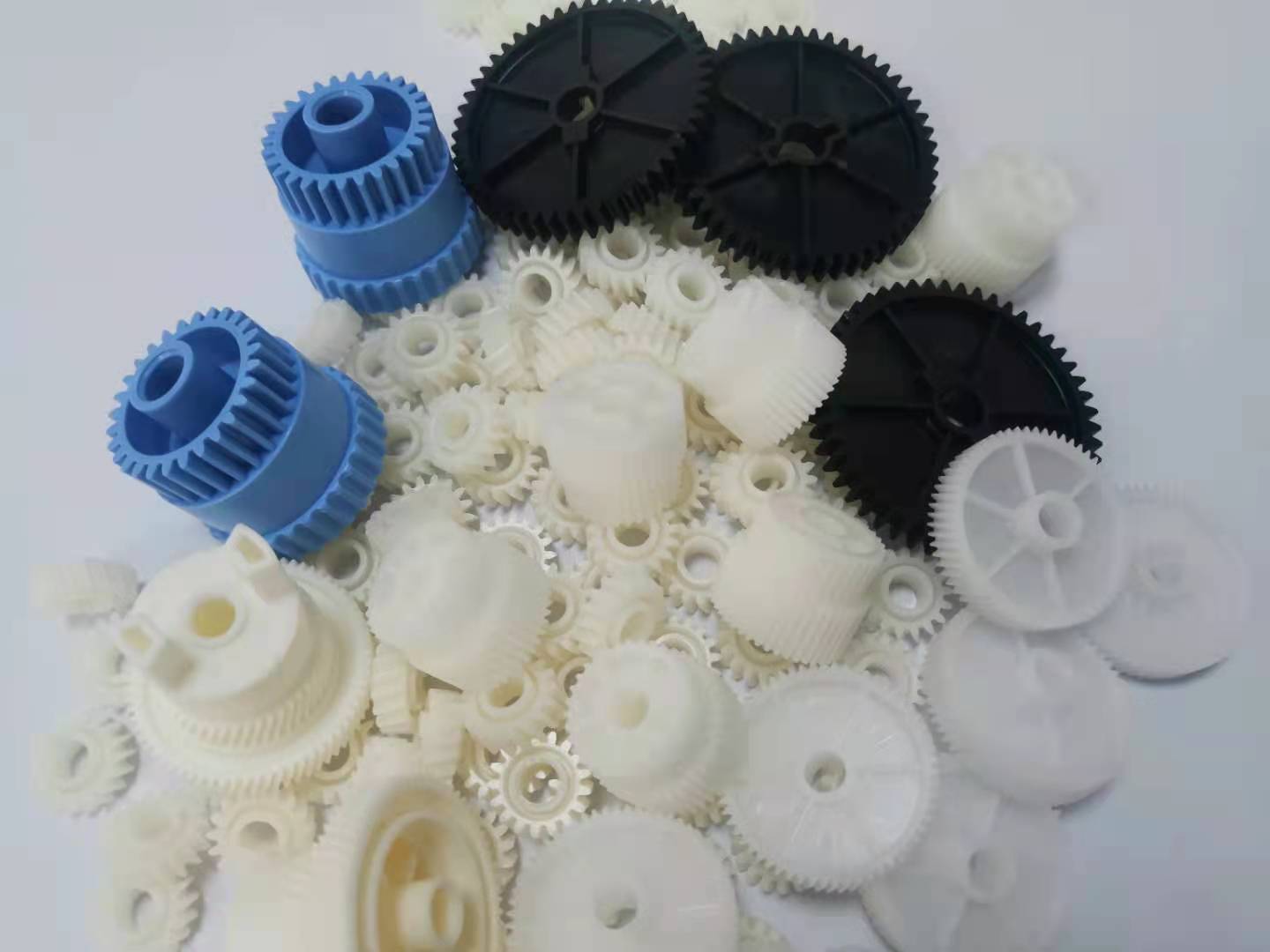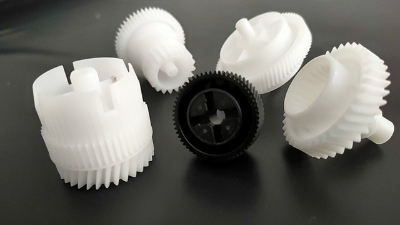
Precision Plastic Gear Mold Manufacturing Key Points
Precision Plastic Gear Mold Manufacturing — Key Points

plastic gear Technical Overview
Precision Plastic Gear Mold Manufacturing — Key Points
The quality of a plastic gear begins with the quality of its mold. UNITECH-GEAR shares critical insights from our mold-making experience:
1. Electrode Design and Manufacturing
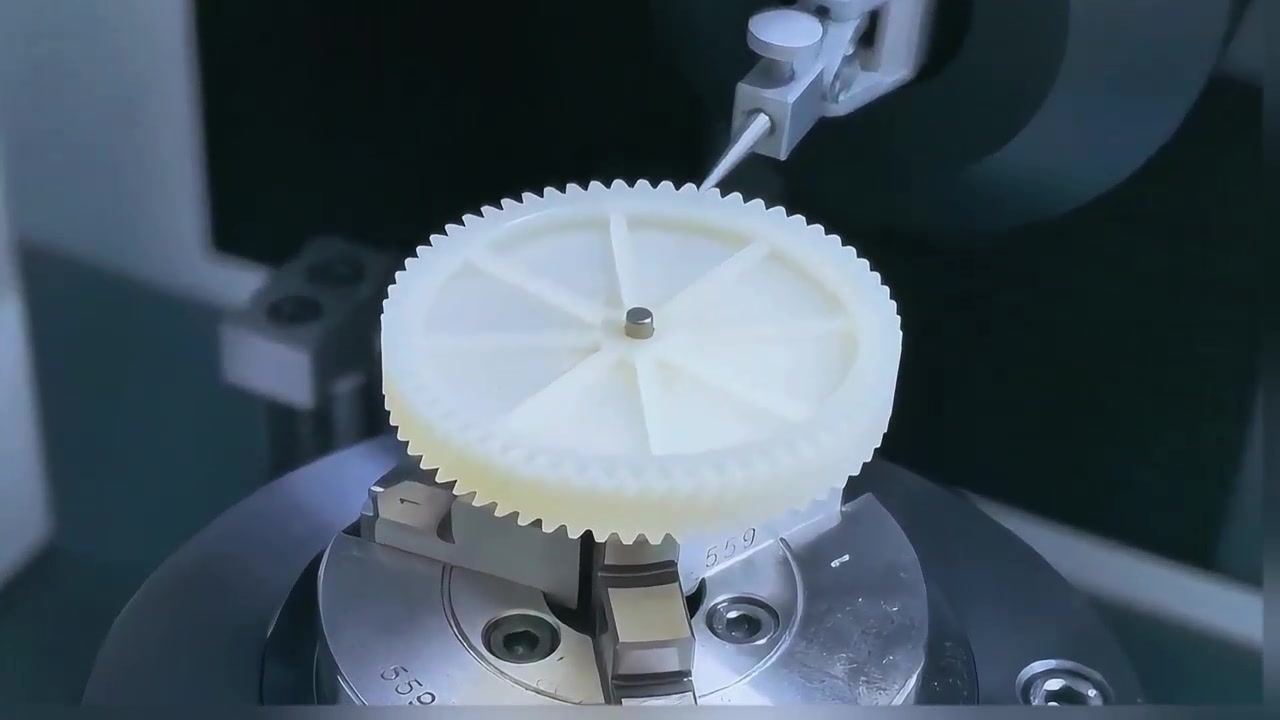
For EDM gear cavities, copper electrode quality determines the final gear accuracy. UNITECH-GEAR designs and manufactures electrodes in-house: CNC machining to sub-micron accuracy, electrode wear compensation built into the machining program, and surface finishing to Ra 0.2 or better before EDM use. Each electrode is CMM-inspected before being used on a production cavity.
2. Shrinkage Allowance
The mold cavity must be precisely oversized to compensate for material shrinkage. This is not a simple linear scale factor — shrinkage varies by: material type (POM 2.0% vs. PA66+GF30 0.5%), wall thickness (thicker sections shrink more), flow direction (anisotropic shrinkage in crystalline materials), and processing parameters (higher mold temperature = more crystallization = more shrinkage). Mold flow analysis software simulates shrinkage before steel is cut, but empirical verification with trial shots is always performed.
3. Gate Location and Type
Gate placement significantly affects gear quality. The gate should be positioned to: ensure symmetrical filling (avoiding core shift), place weld lines in non-critical areas (away from tooth flanks), and minimize flow length to reduce pressure drop. For precision gears, a diaphragm gate or three-plate pin-point gate system provides the most uniform filling. Edge gates should be avoided for high-precision gears as they create asymmetric filling and potential tooth profile distortion.
4. Cooling System Design
Uniform cooling is essential for consistent shrinkage and minimal warpage. Conformal cooling channels (following the cavity contour) provide superior temperature uniformity compared to traditional drilled straight channels. UNITECH-GEAR uses baffle and bubbler cooling for deep cores and 3D-printed cooling inserts for complex geometries. Mold temperature variation across the cavity should not exceed ±2°C for precision gears.
Adequate venting prevents: burns (from compressed air heating — diesel effect), short shots (air trapped in cavity preventing complete filling), and inconsistent density (affecting shrinkage and dimensions). Vent depths for common gear materials: POM 0.015-0.02mm, PA 0.01-0.015mm, PBT 0.015-0.02mm. Vents should be positioned at the last areas to fill (typically tooth tips and the far side from the gate).
6. Mold Maintenance Program
Regular preventative maintenance extends mold life and maintains quality: daily visual inspection for wear or damage, weekly cleaning of vents and cooling channels, monthly inspection of critical dimensions on produced parts, and scheduled replacement of wear components (ejector pins, guide bushings) based on cycle count. A well-maintained precision gear mold can produce 1,000,000+ quality parts before requiring major refurbishment.