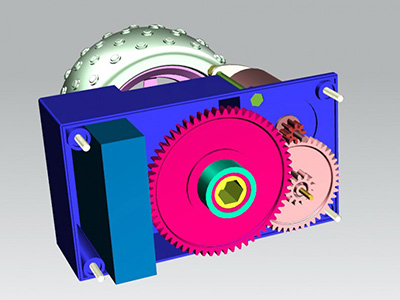
UNITECH-GEAR Helps You Understand Plastic Gear Structure Classification
Plastic Gear Structure Classification

plastic gear Technical Overview
Plastic Gear Structure Classification
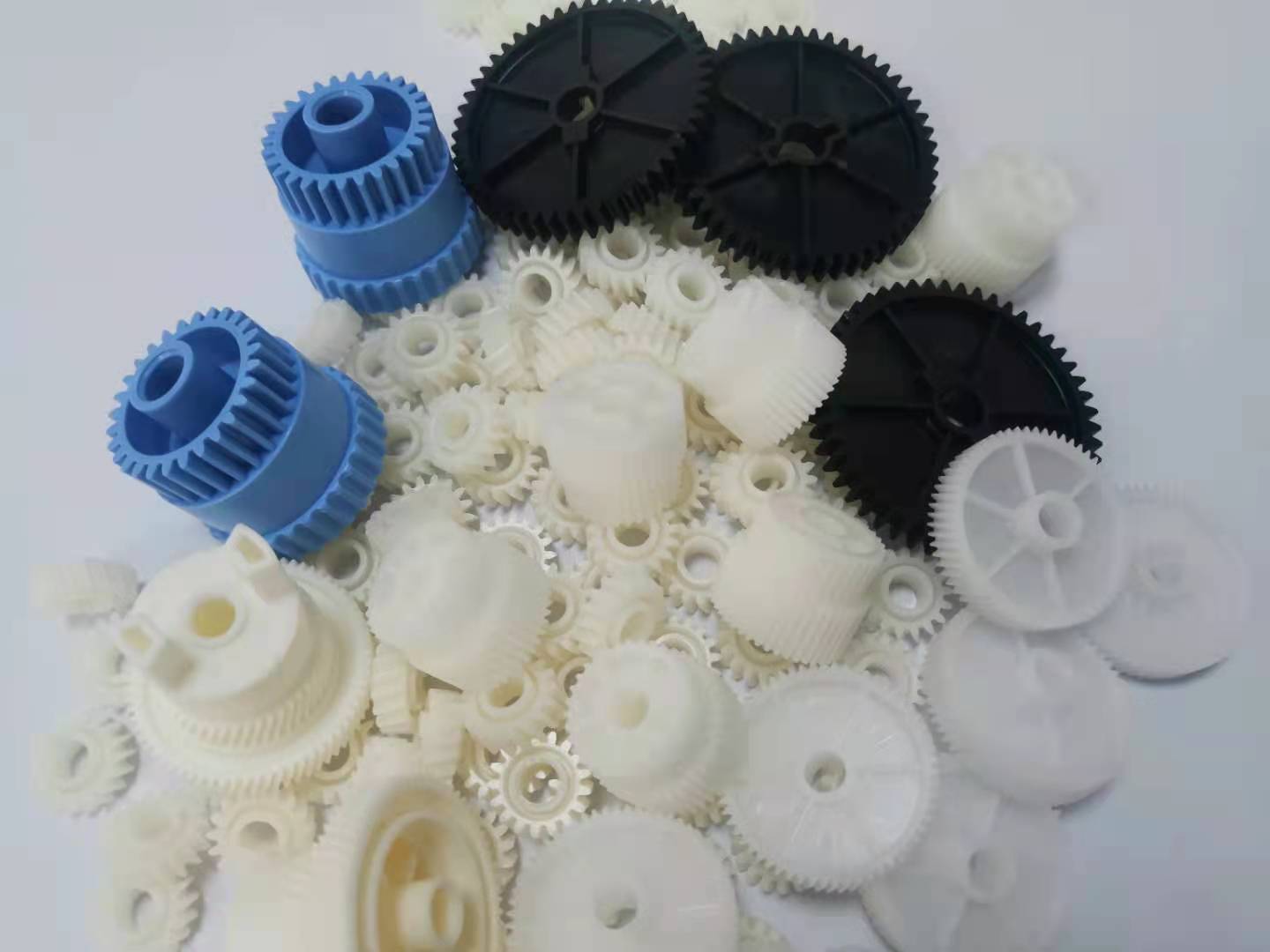
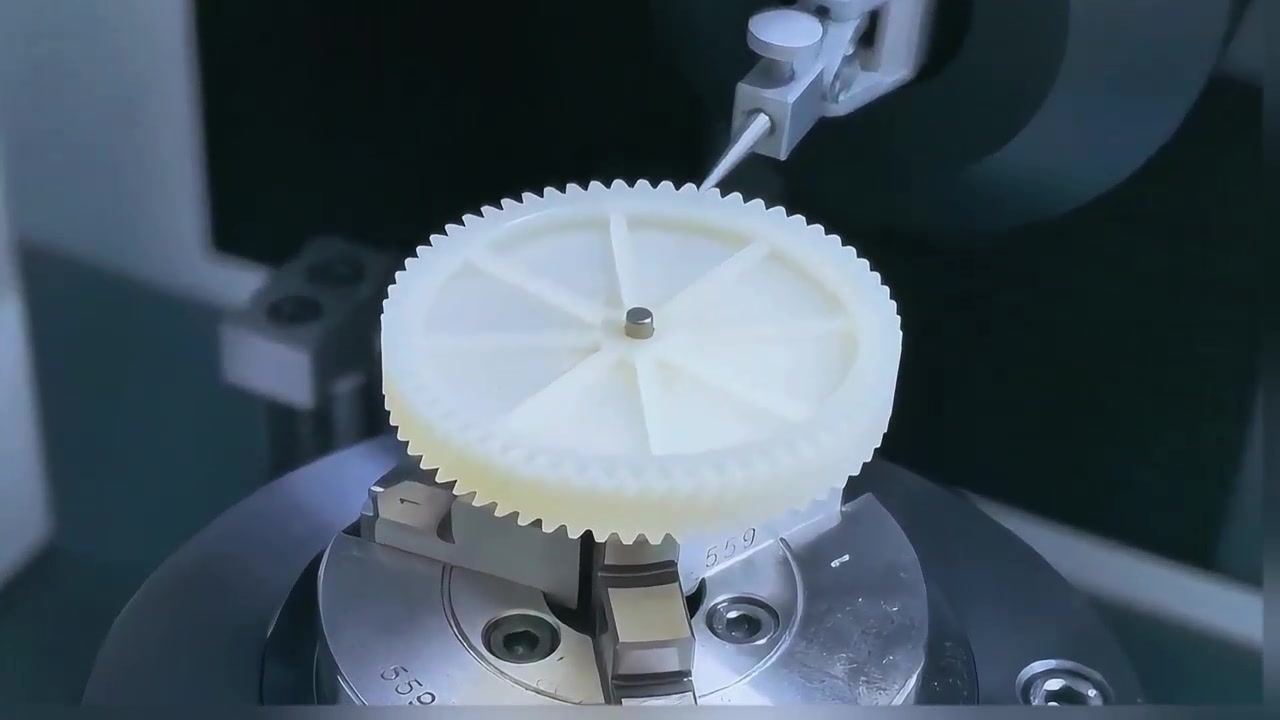
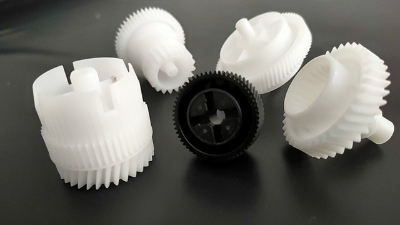
Plastic gears are essential transmission components widely used in modern mechanical systems. Understanding their structural classification helps in selecting the right gear for specific applications.
The most common type, featuring straight teeth parallel to the axis. They offer simple design, easy manufacturing, and high efficiency for parallel shaft applications. Ideal for moderate-speed, moderate-load applications in printers, toys, and home appliances.
Helical Gears
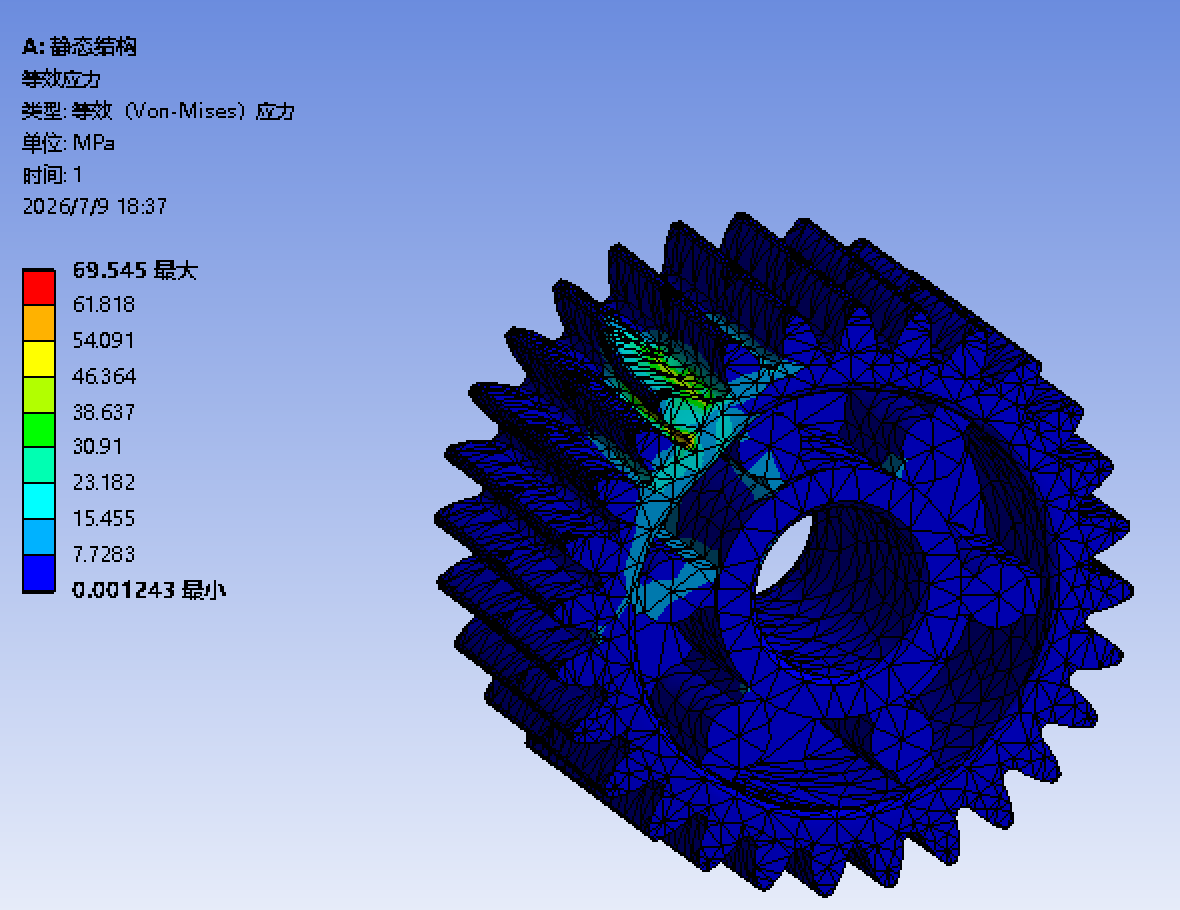
Teeth are cut at an angle to the axis, providing smoother and quieter operation than spur gears. They handle higher loads and speeds but generate axial thrust that must be managed with appropriate bearings. Common in power tools and automotive actuators.
Bevel Gears
Used for intersecting shafts, typically at 90 degrees. Available in straight, spiral, and hypoid configurations for various angle transmission needs. Essential for power drills, angle grinders, and differential drives.
Consist of a worm (screw) meshing with a worm wheel, providing high reduction ratios in compact spaces with self-locking capability. Widely used in wiper motors, window lifts, and conveyor systems.
Planetary Gears
Feature a central sun gear, planet gears, and a ring gear, offering high torque density and multiple reduction ratios in a compact design. Key components in robot joints, smart locks, and electric vehicles.
Internal Gears
Teeth cut on the inside of a ring, meshing with external spur gears. Used in epicyclic gear trains and applications requiring direction reversal without additional idler gears.
Each gear type has specific advantages depending on application requirements for torque, speed, noise, space constraints, and cost considerations. UNITECH-GEAR engineers help customers select the optimal gear type for each unique application.