← Back to News & Cases
2024-09-15Company News

UNITECH-GEAR Plastic Gear Maintenance Tips You Should Know

Essential Plastic Gear Maintenance Tips

UNITECH-GEAR Plastic Gear Maintenance Tips You Should Know

plastic gear Technical Overview

Essential Plastic Gear Maintenance Tips

Proper maintenance of plastic gears is crucial for ensuring long service life and reliable performance. Here are key maintenance considerations from UNITECH-GEAR's engineering team:

1. Choose the Right Lubricant

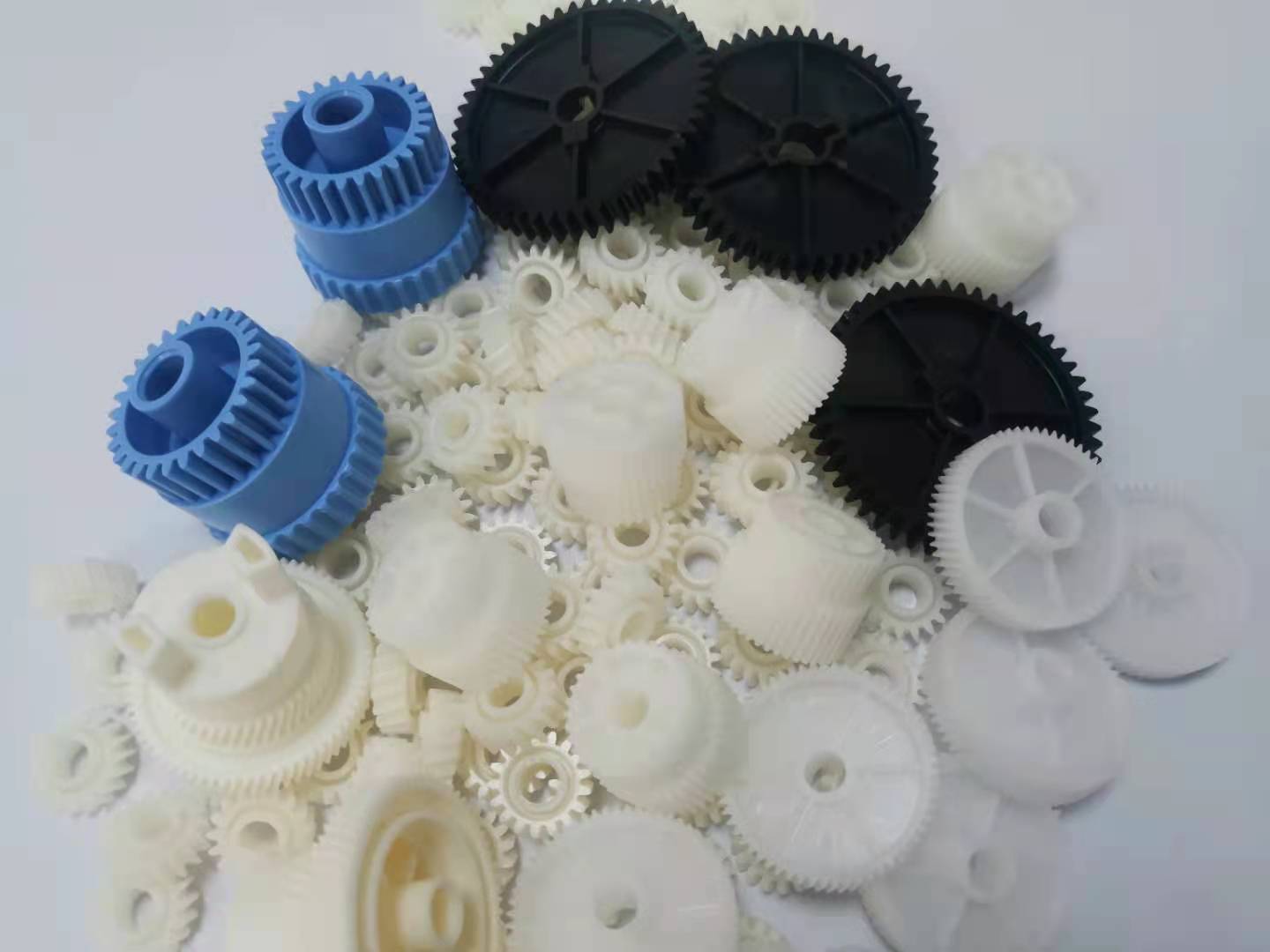
Unlike metal gears, plastic gears require specialized lubricants compatible with engineering plastics. Using incompatible lubricants can cause material degradation, swelling, or stress cracking. Synthetic hydrocarbon or silicone-based greases are commonly recommended. Always verify compatibility with your specific plastic material (POM, PA, PBT, etc.).

2. Keep Gears Clean

Dust, debris, and contaminants accelerate wear and can cause premature failure. Regular inspection and cleaning extend gear life significantly. In enclosed gearboxes, ensure seals are intact to prevent contaminant ingress.

3. Respect Load Limits

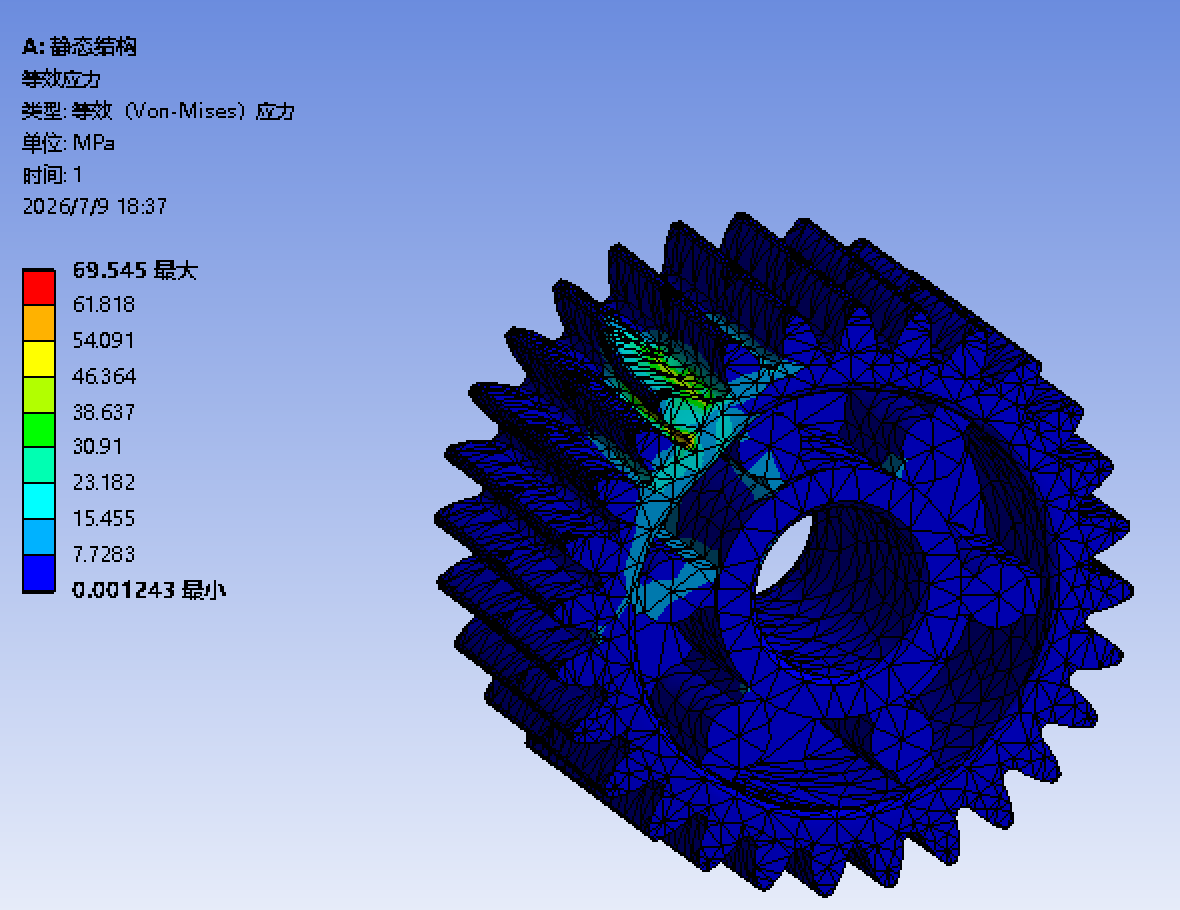
Avoid exceeding the design load capacity. Plastic gears may deform under excessive load rather than fracture like metal gears, but repeated overloading causes permanent damage — tooth bending, increased backlash, and eventual failure.

4. Monitor Operating Temperature

Engineering plastics can soften or degrade at elevated temperatures. POM typically operates safely up to 100°C, while PA6 can handle up to 120°C. Ensure adequate ventilation and cooling in enclosed gearbox designs. Consider ambient temperature in outdoor applications.

5. Maintain Proper Alignment

Misalignment causes uneven tooth wear, increased noise, and reduced transmission efficiency. Use precision bearings and assembly fixtures to maintain correct center distances and shaft parallelism.

6. Store Correctly

Store spare gears in cool, dry environments away from direct sunlight, chemicals, and moisture. Nylon (PA) gears are particularly sensitive to humidity — store in sealed bags with desiccant when possible.