The Role of Plastic Gears in Smart Home Devices

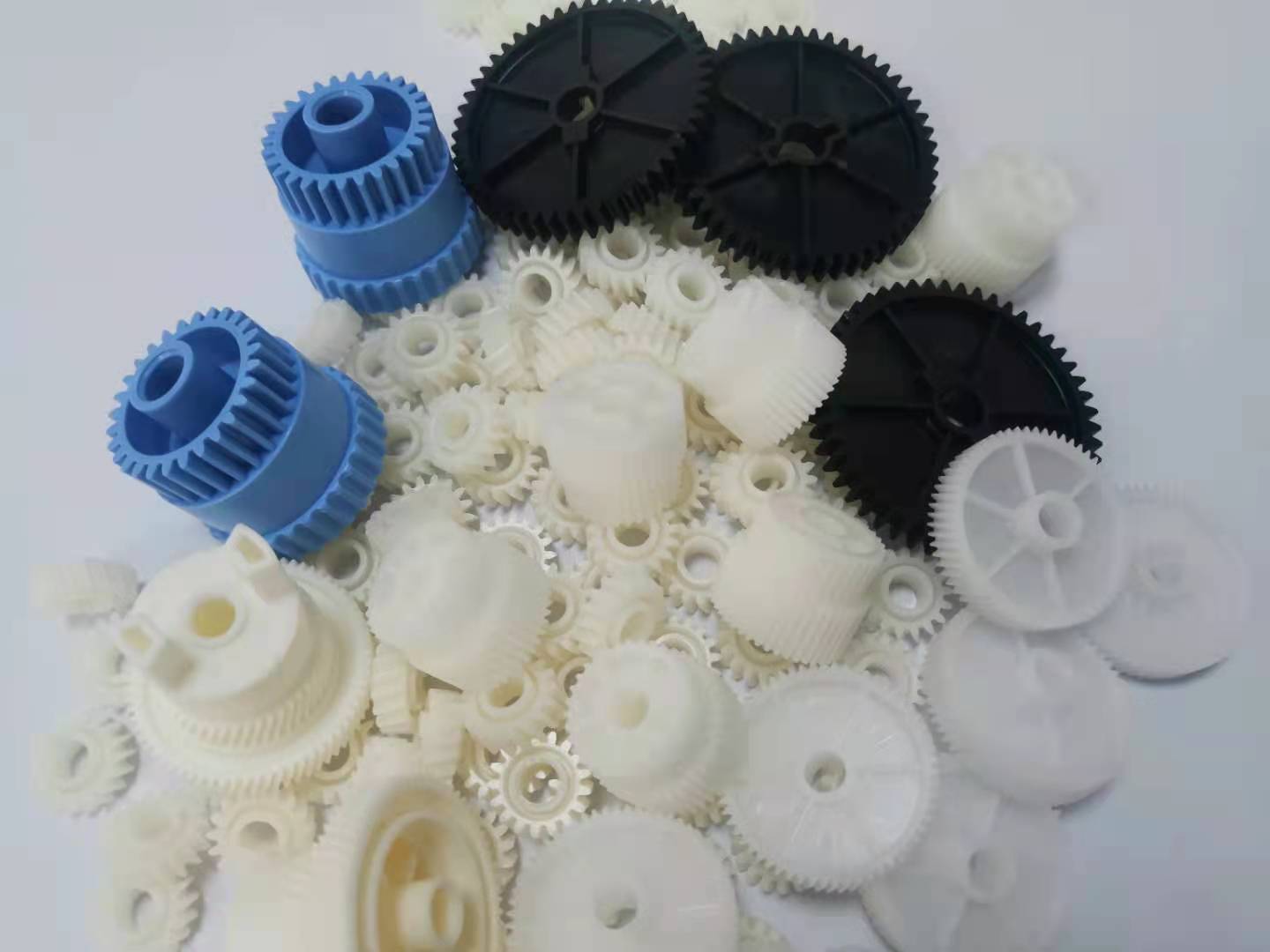
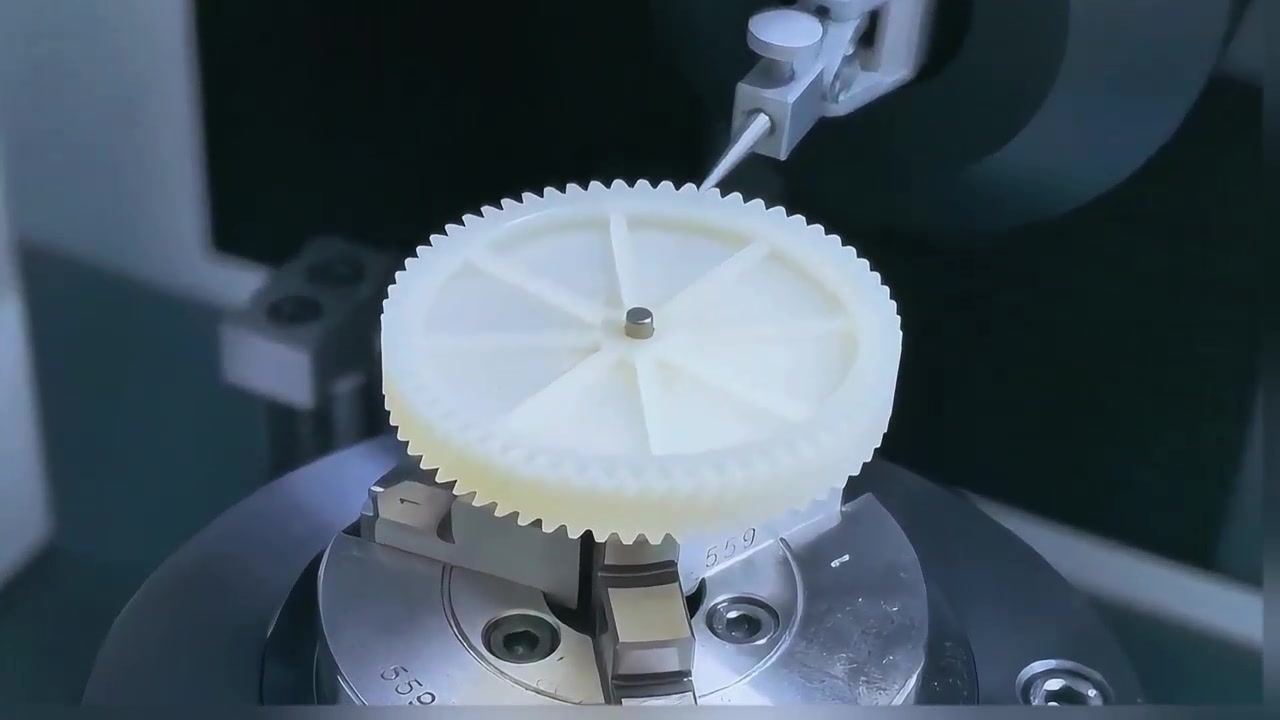
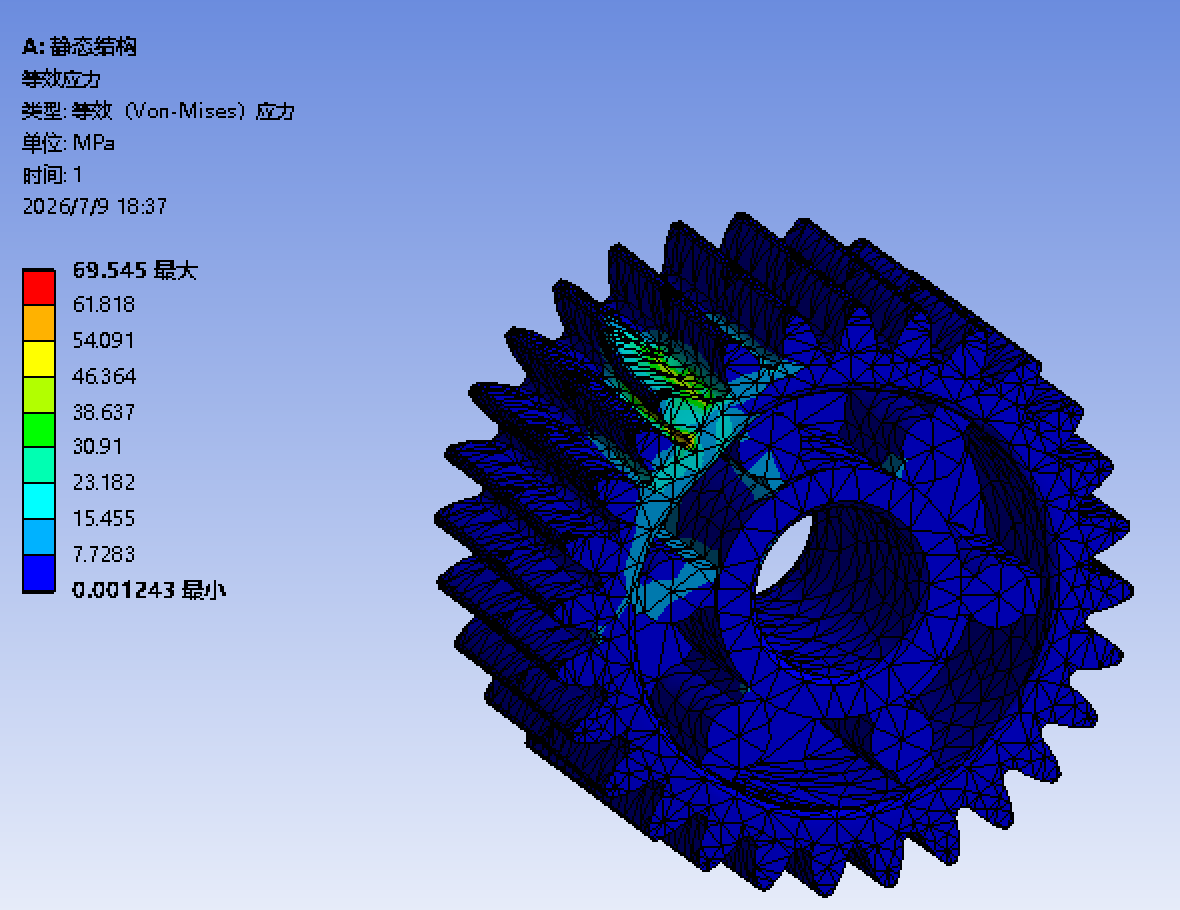
plastic gear Technical Overview
The Role of Plastic Gears in Smart Home Devices
The smart home revolution is driving unprecedented demand for small, quiet, reliable gear mechanisms. Plastic gears are at the heart of this transformation:
Smart Locks
Every smart lock contains a micro gearbox converting a small DC motor's high-speed rotation (5,000-10,000 RPM) into the slow, high-torque movement needed to throw a deadbolt. Typical requirements: 3-5 stage planetary or spur gear reduction, torque output of 0.5-2 N·m, operating noise below 35 dB, and 100,000+ cycle life. Materials: POM for gears, with PA66+GF for high-wear stages. The gearbox must be compact enough to fit within a standard door preparation.
Robot Vacuums
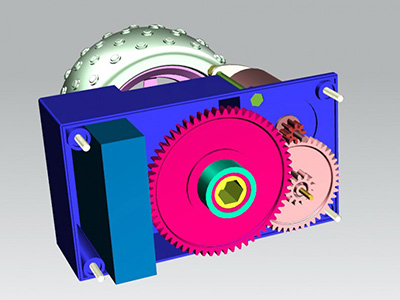
A typical robot vacuum contains 5-8 separate gear mechanisms: drive wheel gearboxes (2×), main brush gearbox, side brush gearbox (1-2×), suction fan drive, and dust bin mechanism. Drive wheel gearboxes require high torque at low speed for climbing thresholds and carpets. Brush gearboxes need moderate speed at consistent torque. All must operate quietly — the gear noise directly affects the user's perception of quality.
Automated Blinds & Curtains
Motorized window treatments use planetary or worm gear reductions to provide the high torque needed to lift heavy curtains or blinds while maintaining compact dimensions. Worm gear designs are popular for their self-locking capability — blinds stay in position when power is removed without consuming standby current. Noise is critical for bedroom installations — helical gears are often preferred over spur gears for their 3-5 dB noise advantage.
Smart Kitchen Appliances
Automatic pet feeders, smart coffee machines, connected blenders, and automated pan stirrers all use precision plastic gears. Food contact requirements add complexity — materials must be FDA-compliant, BPA-free, and resistant to food acids and cleaning chemicals. POM and specialty PBT grades are common choices for their combination of food safety, mechanical properties, and chemical resistance.
Market Outlook
The global smart home device market is projected to exceed $200 billion by 2028, with gear mechanisms required in approximately 40% of device categories. This represents a significant growth opportunity for precision plastic gear manufacturers who can meet the demanding requirements for quiet operation, long life, compact size, and competitive cost.