Understanding Plastic Gear Structure and Composition

plastic gear Technical Overview
Understanding Plastic Gear Structure and Composition
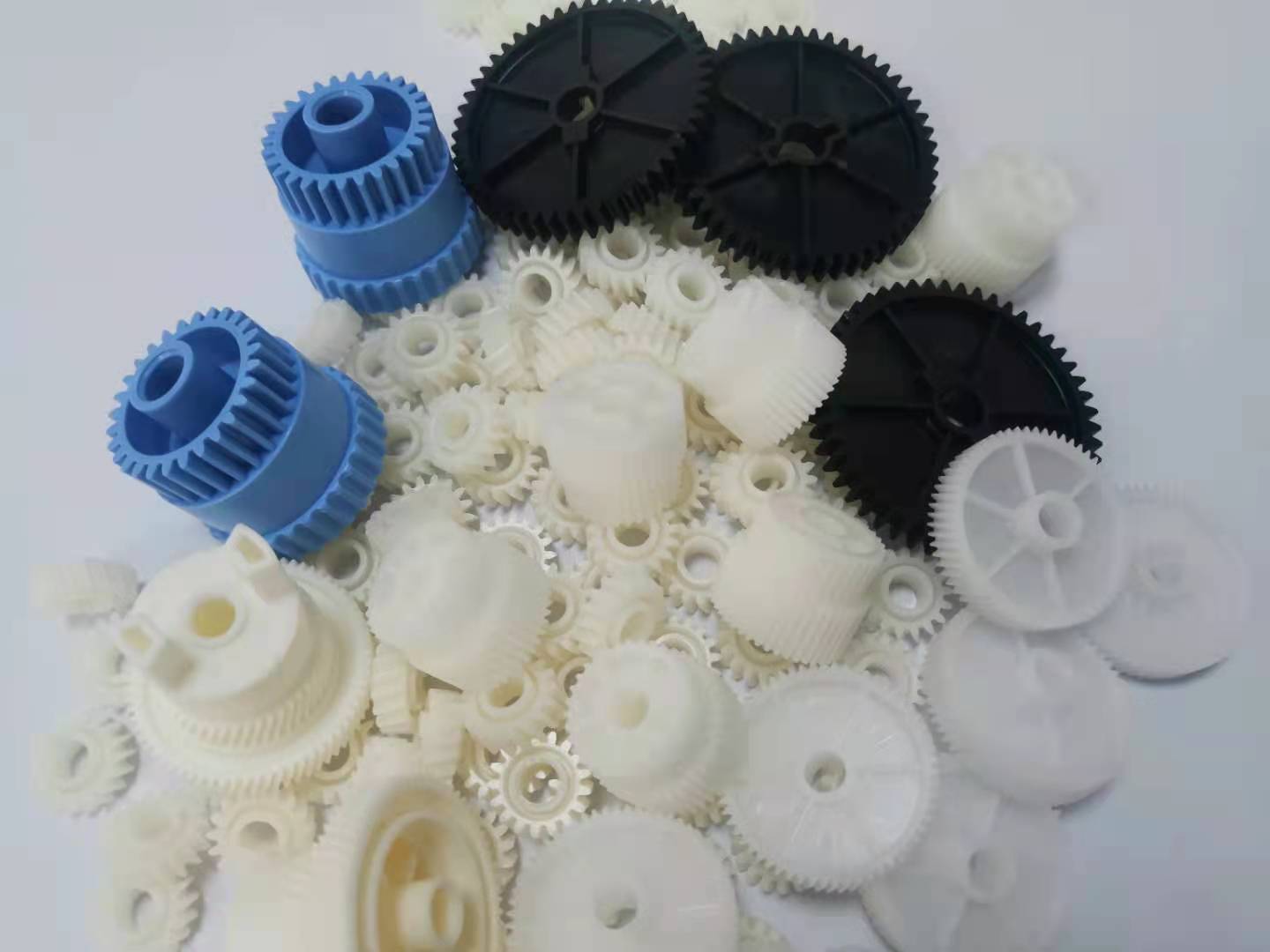
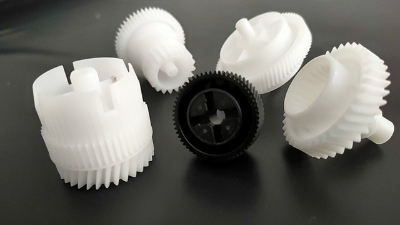
Beyond simple toothed wheels, modern plastic gears are sophisticated engineered components. UNITECH-GEAR explains the key structural elements:
Basic Gear Anatomy
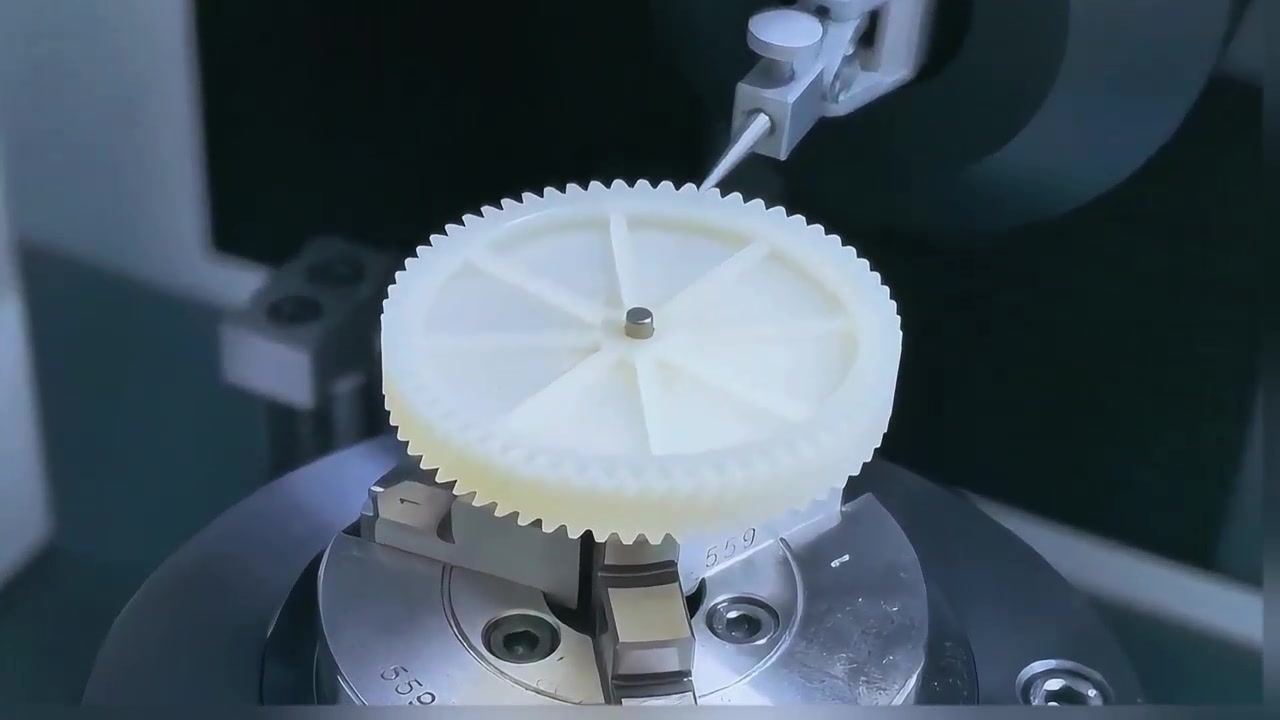
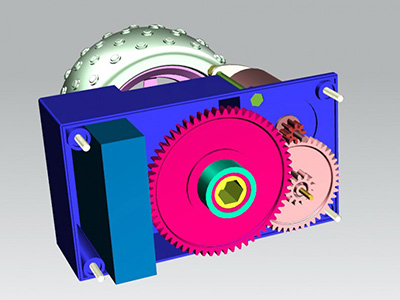
A plastic gear consists of: Teeth — the load-bearing elements that transmit motion and force, Rim — the outer ring supporting the teeth, Web — the disc connecting rim to hub, Hub — the central boss for shaft mounting, Bore — the central hole (may include keyway, D-shape, or spline). Each element must be properly proportioned for the gear to function correctly.
Tooth Profile Geometry
Most plastic gears use the involute tooth profile — mathematically defined to ensure smooth, constant-velocity transmission regardless of slight center distance variations. Key parameters: Module (metric) or Diametral Pitch (imperial) — tooth size, Pressure Angle (typically 20°) — affects tooth strength and contact ratio, Profile Shift — deliberate modification to avoid undercutting or adjust center distance, Addendum/ Dedendum — tooth height above/below the pitch circle.
Material Composition
Unlike metals which are homogeneous, engineering plastics can be formulated with: Base Polymer (POM, PA, PBT, etc.) — provides the fundamental mechanical properties, Reinforcement (glass fiber, carbon fiber, mineral) — increases strength and stiffness, Lubricant Additives (PTFE, MoS2, silicone) — reduce friction and wear, Stabilizers (heat, UV, hydrolysis) — extend service life in challenging environments, Impact Modifiers — improve toughness and crack resistance. The specific formulation dramatically affects gear performance.
Design Guidelines
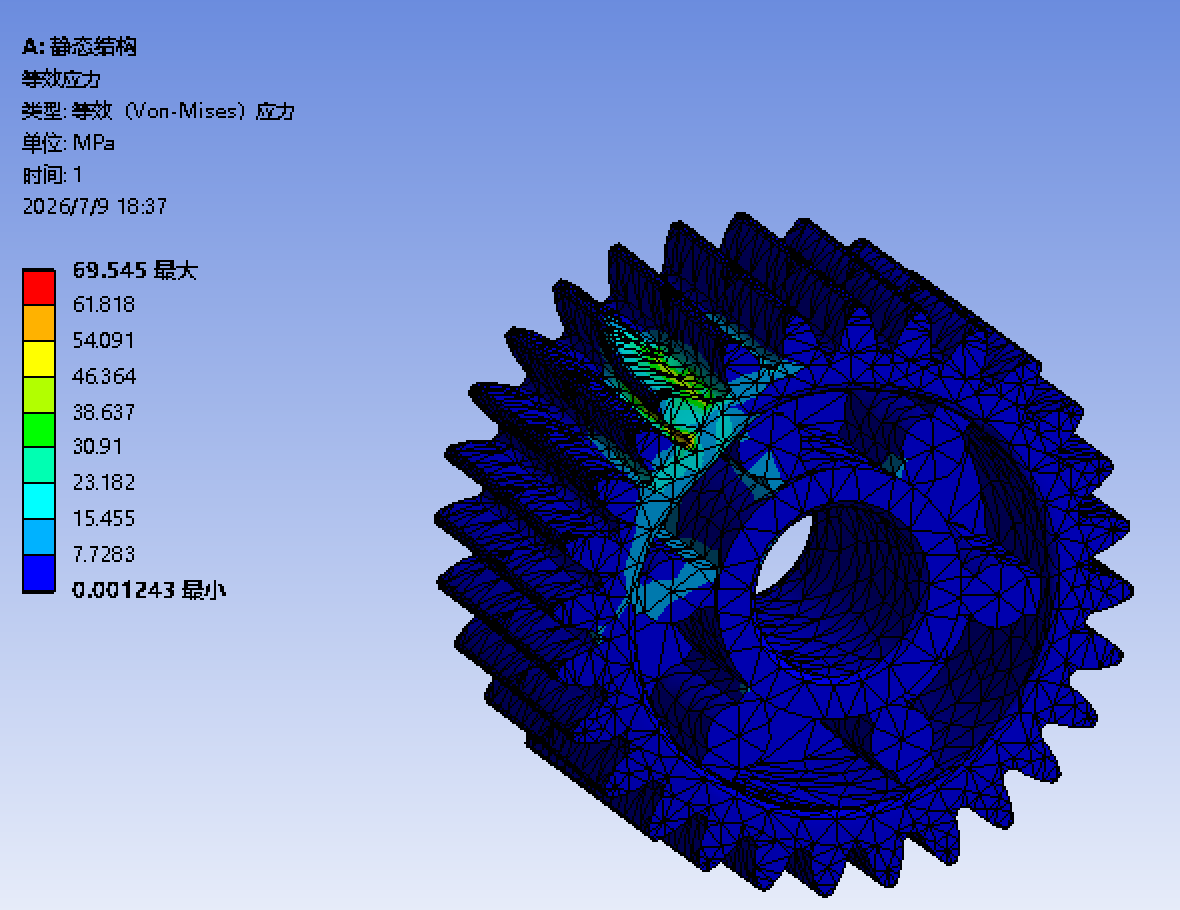
Rim thickness should be at least 1.5-2× the tooth height to prevent rim failure. Web thickness should be 0.5-1× the tooth width to avoid warpage. Hub diameter should be 1.5-2× the bore diameter for adequate strength. Sharp internal corners create stress concentrations — use generous radii (minimum 0.5mm or 0.25× wall thickness). Uniform wall thickness prevents differential shrinkage and warpage.