← Back to News & Cases
2025-11-08FAQ

What Causes Plastic Gear Noise? Analysis and Solutions

What Causes Plastic Gear Noise

What Causes Plastic Gear Noise? Analysis and Solutions

plastic gear Technical Overview

What Causes Plastic Gear Noise?

Gear noise is one of the most common concerns in product design. Understanding root causes is the first step toward effective solutions:

1. Tooth Profile Errors

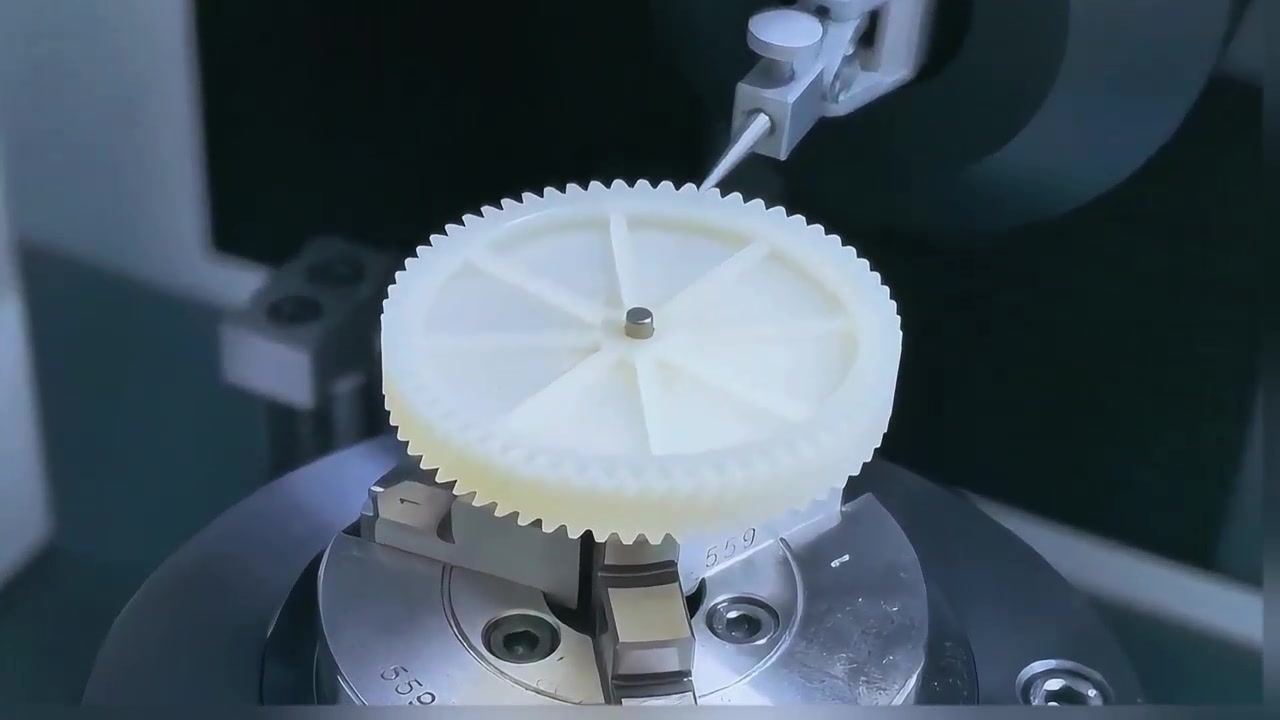
Deviations from the ideal involute profile cause irregular meshing — teeth engage and disengage with micro-impacts that generate vibration and audible noise. Precision mold manufacturing with proper shrinkage compensation is essential. UNITECH-GEAR maintains tooth profile accuracy to AGMA Q8-Q10 standards using optimized mold design and process control.

2. Misalignment

Improper shaft alignment or incorrect center distances create uneven tooth contact patterns. This causes cyclic noise at the gear mesh frequency and its harmonics. Precision assembly fixtures, quality bearings, and rigid housing design help maintain correct alignment throughout the product's service life.

3. Backlash Issues

Excessive backlash causes impacting (rattling) between teeth during direction changes or load reversals. Insufficient backlash causes binding, increased friction, and thermal expansion problems. Optimal backlash depends on the application — instrument gears may need near-zero backlash, while high-speed gears need more clearance for thermal expansion and lubrication film.

4. Material Properties

Different plastics have dramatically different noise characteristics. POM gears typically run 3-5 dB quieter than PA66 gears under identical conditions due to POM's better natural damping. Filled materials (glass fiber, carbon fiber) tend to be noisier than unfilled grades. Material selection significantly affects the overall acoustic signature.

5. Surface Roughness

Rough tooth surfaces increase sliding friction and noise, particularly at higher speeds. Mirror-finish mold cavities (Ra 0.1-0.3 μm) produce smoother gear surfaces with lower friction coefficients and reduced operating noise. UNITECH-GEAR achieves Ra 0.3 or better on all precision gear mold cavities.

6. Resonance

When the gear mesh frequency (RPM × number of teeth / 60) matches the natural frequency of the housing, mounting structure, or adjacent components, amplification occurs — sometimes increasing noise by 10-15 dB. Modal analysis and structural modifications (ribs, damping materials, mass changes) can shift resonant frequencies outside the operating range.

Effective Solutions

(1) Optimize tooth geometry with profile modification (tip relief, crowning). (2) Use helical gears instead of spur gears where axial thrust can be managed — helix angles of 10-20° typically reduce noise by 3-6 dB. (3) Ensure proper lubrication with compatible greases. (4) Select materials with better natural damping. (5) Maintain tight manufacturing tolerances through precision mold making.