

15+
Years Experience

2000m2+
Factory Area

100K+
Gears/Month
20+
Engineers

30+
Countries Served
ISO 9001/13485
Certified
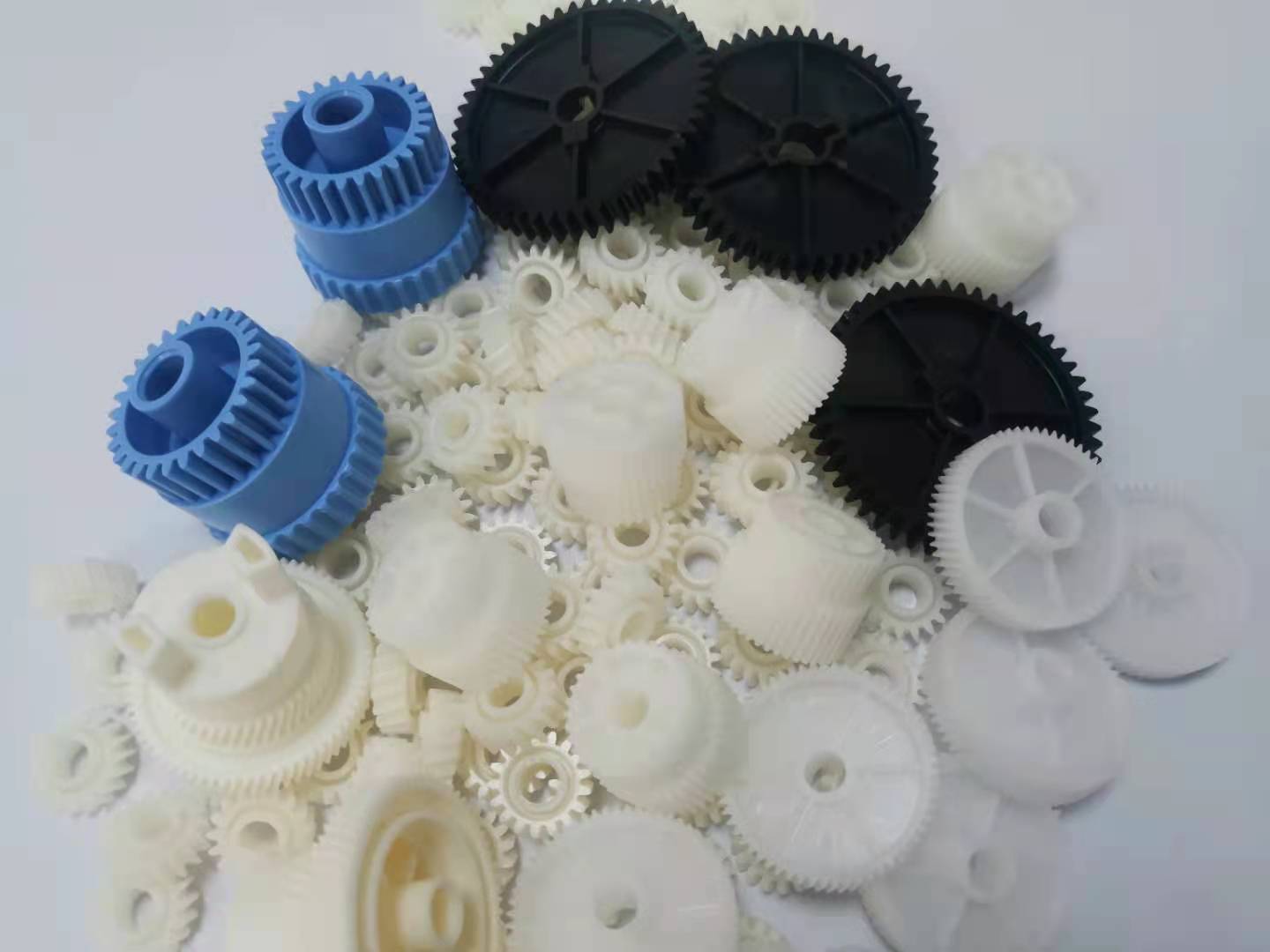
Global custom plastic gear supply and manufacturing
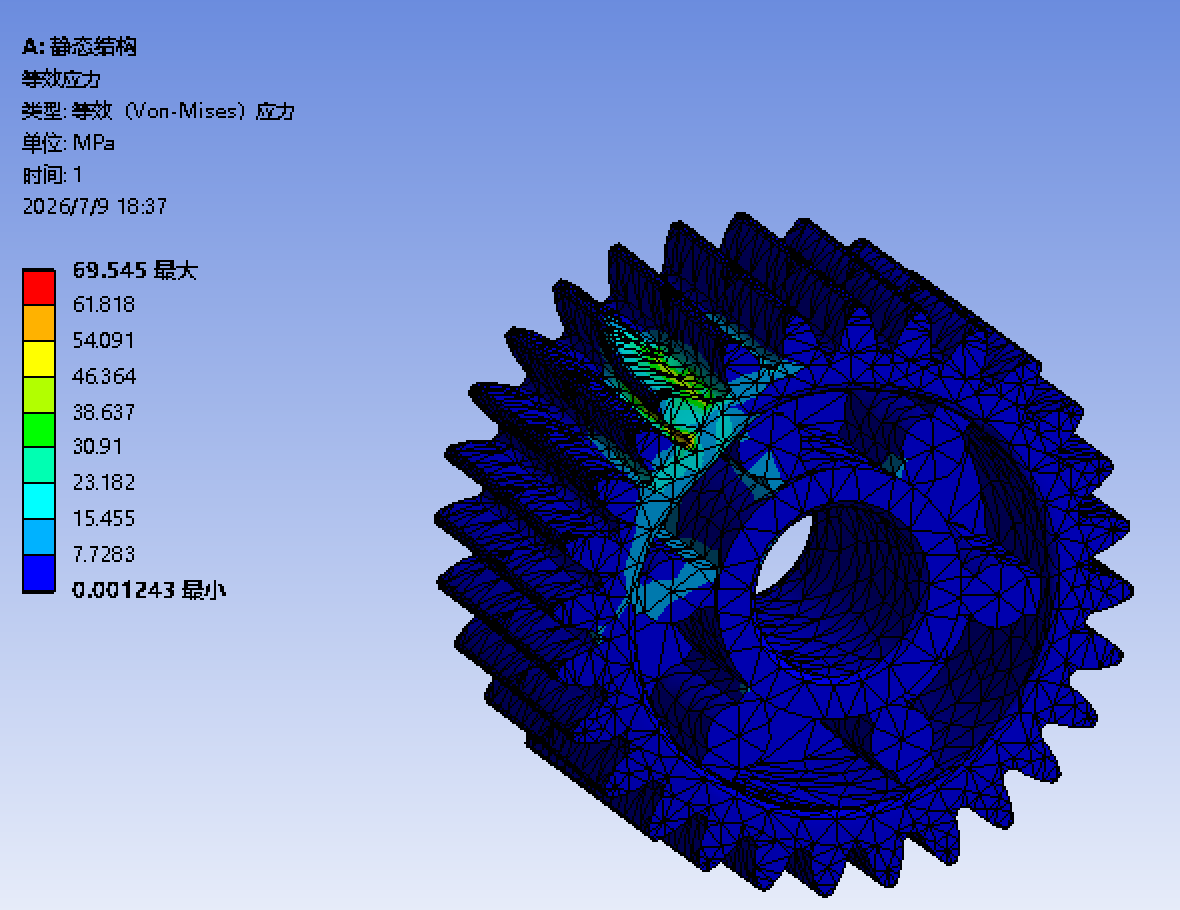
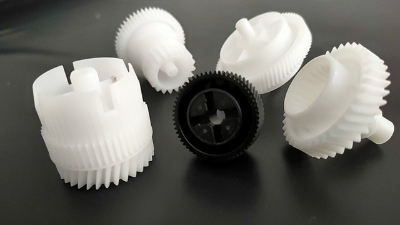
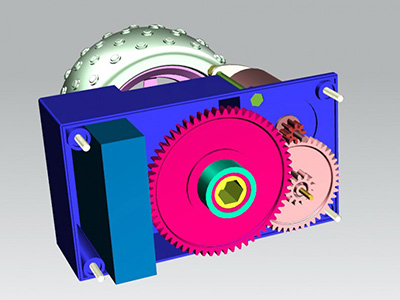
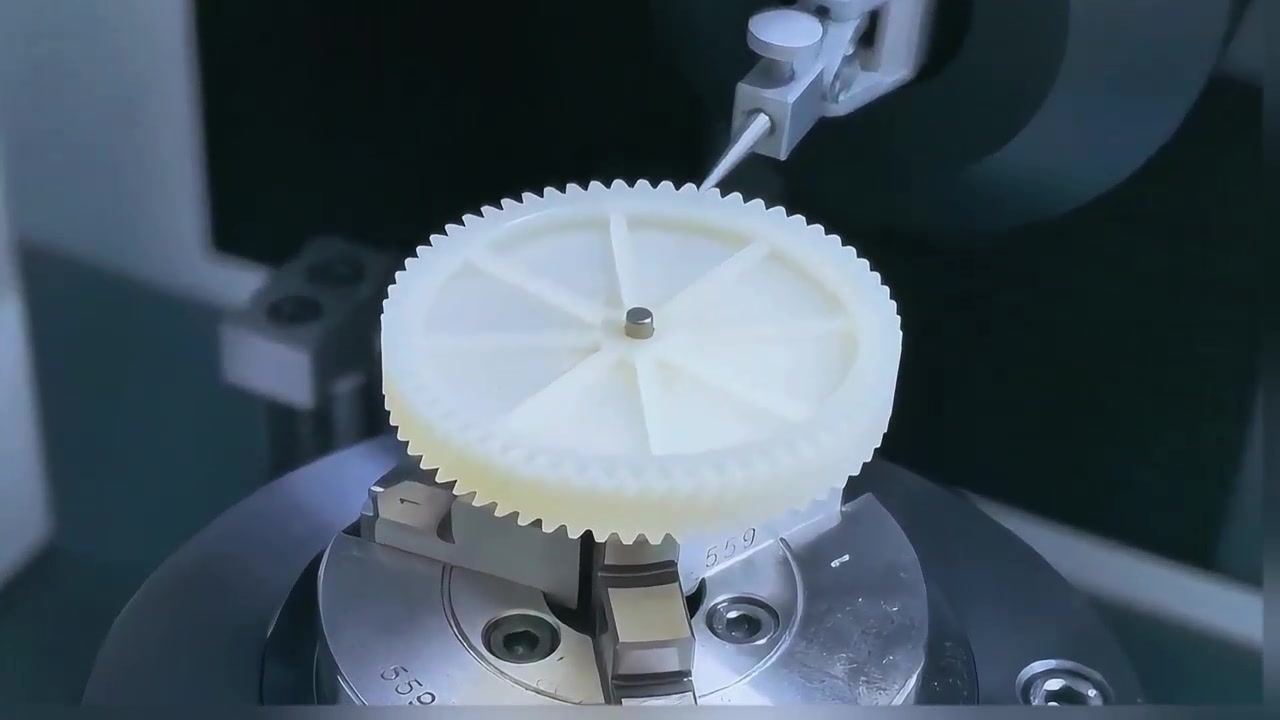
UNITECH-GEAR(UT-GEAR) is a trusted plastic gear manufacturer delivering custom plastic gear solutions, precision plastic gear components, POM gear, nylon gear, and PEEK gear products for global OEM customers. As an experienced injection mold manufacturer, we also provide gearbox solution design, micro gear molding, and complete gear transmission systems for automotive, smart home, medical, and industrial applications.
Industries We Serve



From Concept to Production


Trusted by Global Customers